

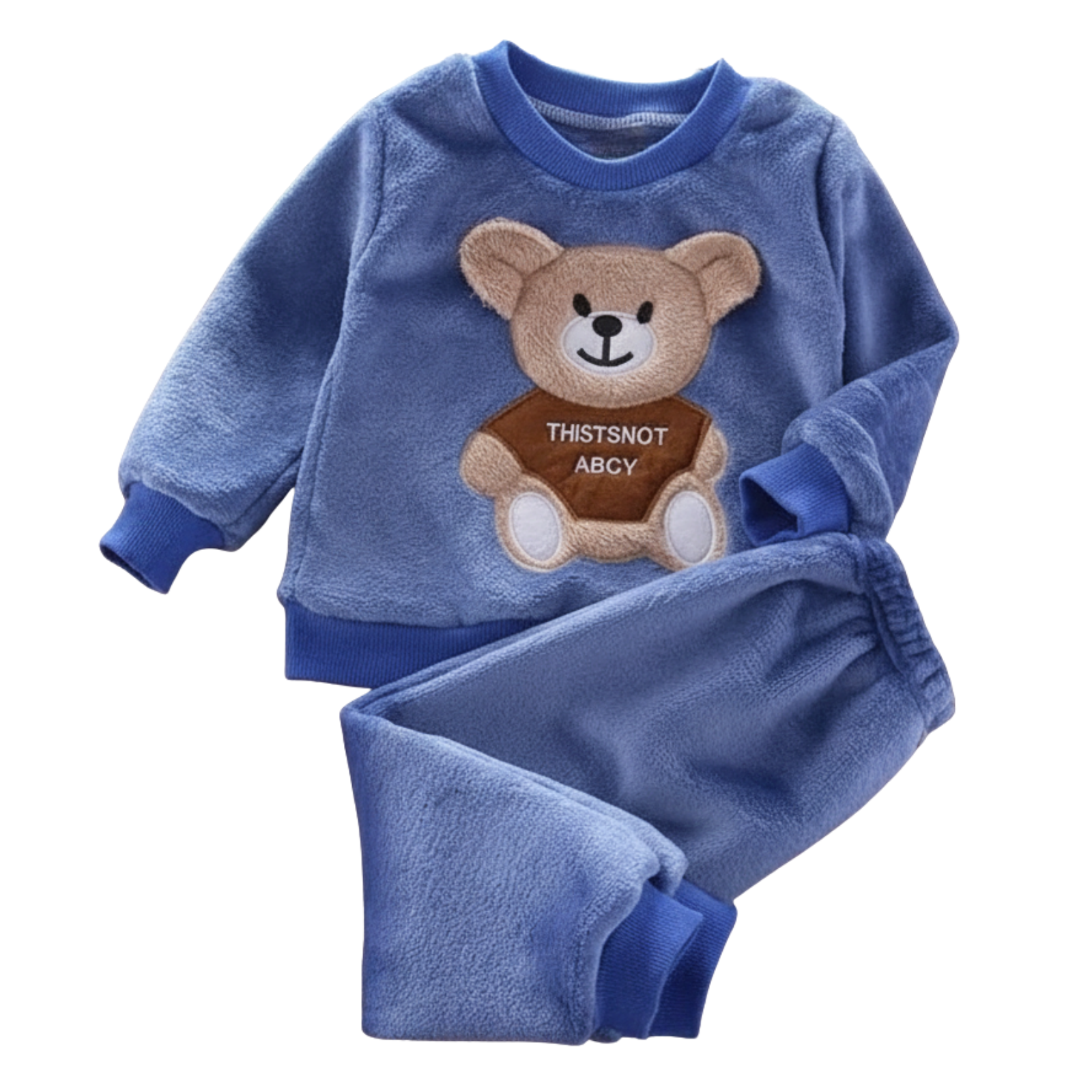
A toddler spare-clothes bag works best when it contains a complete, currently fitting outfit that is easy to find. Keep worn clothes separate, replace anything used and revisit the bag when the weather or your child's size changes. The forgotten outfit at the bottom of the bag is not a reliable spare if the trousers are already too short.
Whether the bag lives with the stroller, goes to childcare or accompanies a family outing, the job is the same: make an unplanned clothing change straightforward. Here is a way to organise it without carrying a miniature wardrobe.
Build an outfit, not a pile of extras
Start with the clothes needed for one complete change: a top, bottoms, underwear or the appropriate diapering supplies, and socks when relevant. Choose pieces your child already knows how to wear. Avoid making the emergency outfit more complicated than the one they left home in.
Coordinate pieces loosely rather than requiring an exact matching set. A spare top should work with the bottoms already being worn, because sometimes only one item needs changing.
Cozy Stroller's Teddy Two-Piece Toddler Set and Animal Printed Top and Pant Set offer two print directions to explore. Select the actual size and garment details for your child, rather than treating a “toddler” label as a measurement.
Pack so another adult can find the change
Put the full spare outfit in a distinct pouch. Keep it separate from snacks, toys and anything that may spill. Put a clean return bag alongside it so worn clothing does not have to share the same space afterward.
If another caregiver uses the bag, show them where the outfit is and explain anything essential. A simple arrangement is more useful than a collection of pockets only one person understands.
For childcare, follow the setting's requirements for labelling and spare supplies. Avoid printing a child's full personal details on the outside of a bag that will be visible in public.
Match the spare to the day ahead
An outfit appropriate for an indoor morning may not suit an outdoor afternoon. Check the actual day's weather and activities before leaving rather than packing purely by month. If you need an extra layer, choose one that works with both the main outfit and the spare.
The Two-Piece Printed Outerwear Set is another catalog option, but the word “outerwear” does not establish waterproofing or a temperature rating. Use the garment's own specifications to decide its role.
Keep task-specific equipment separate. Everyday clothing is not a substitute for protective clothing or other equipment an activity requires.
Give used clothes a clear route home
After a change, place worn clothing into its separate container or bag. When you return, empty it promptly and follow the clothing's care label. Keep any bags out of a young child's reach.
Replace the used outfit before the next trip. A small reminder attached to the bag's storage spot can work better than relying on memory while unpacking groceries or getting dinner ready. If a second caregiver packed the bag, ask what was used before putting it away.
Check fit during ordinary laundry days
Use a routine you already have as the reminder to review the spare. When you notice everyday trousers or tops no longer fit, check the packed outfit too. Compare the actual garments, not just the printed size label.
Remove unnecessary extras that have stayed unused and add only what your family's outings show is missing. The aim is not to prepare for every possible event. It is to keep one dependable change ready, find it quickly and restore the bag afterward.